I was 48, single, financially flexible now that my children were grown, and professionally ambivalent. After a 25-year career in publishing, it wasn’t the first time I’d ever questioned what I was doing 'to make a living', but on that day when I got to the office, I logged on to my computer and typed in 'peacecorps.gov'. When a recruiter followed up with a phone call, my first question was, “Do you take people my age?”
“We love people your age,” he replied. Six months later, I arrived in Ploiesti, Romania, a city I later learned that my father’s squadron had bombed during World War II.
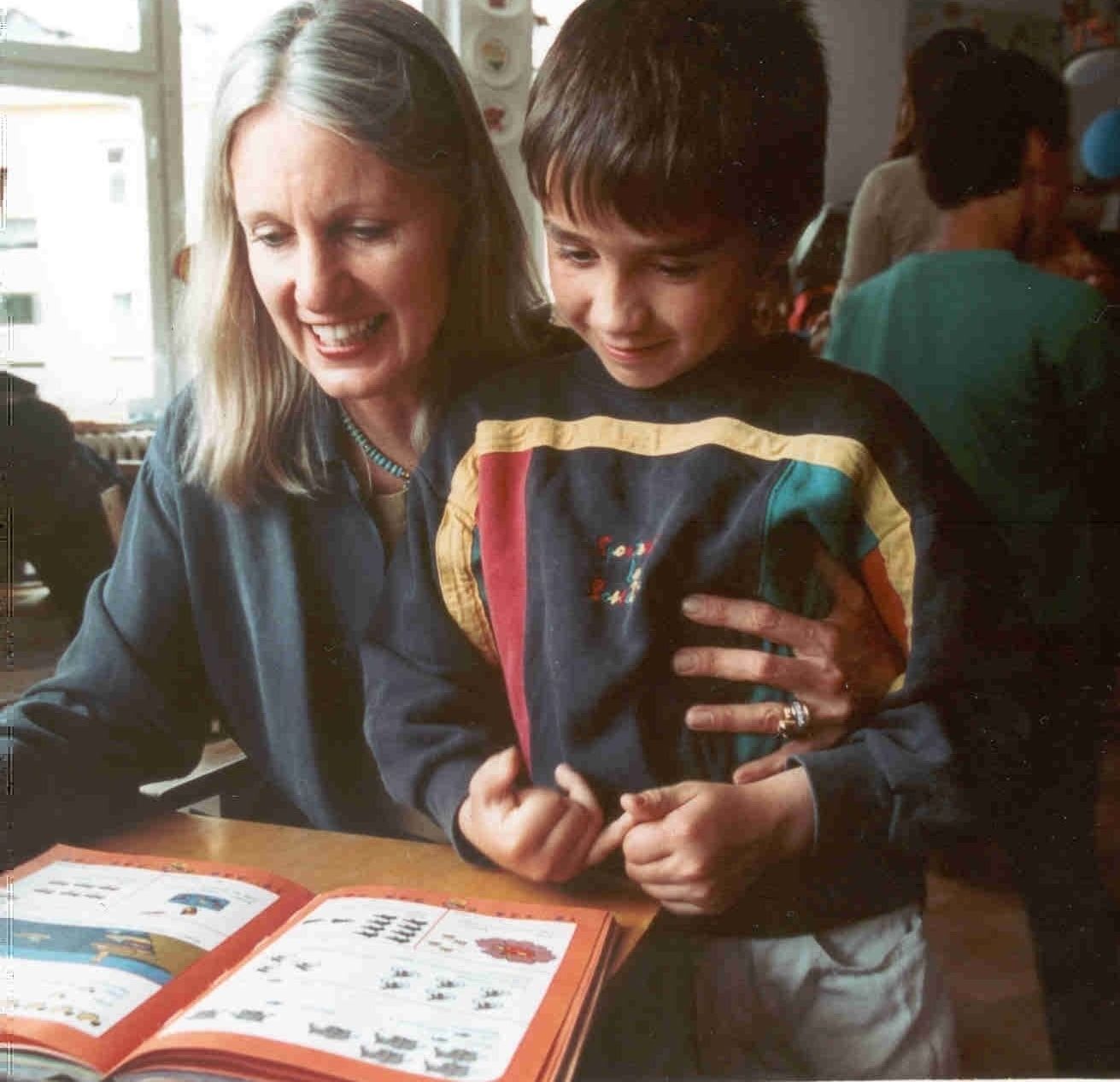
Having volunteered with numerous non-profits over the years, I harbored no fantasies about “accomplishing” anything major in a couple of years of Peace Corps service. But being a stranger in a strange land, I was open. I had time to look around and observe the workings of a society that was different from mine, but not that different—except for this one thing: There were small children sitting alone or in pairs on the sidewalk, apparently without any adult supervision, begging to the passers-by in front of brand-new banks and freshly renovated Orthodox churches. I found it deeply upsetting—and became a little obsessed with the issue.
So I wrote a proposal on behalf of the NGO I was working with and a few months later we received a $165,000 grant from USAID that enabled us to start a work-training program for the mothers of children begging on the street and, most importantly, an education program for their unschooled children.