March Newsletter:
25 years ago, we too had a bold idea
SUBSCRIBE
Dear Supporters,
This month, the Peace Corps community began the agency’s 65th anniversary celebrations, with returned volunteers and friends of the organization sharing meaningful stories about the transformative power of volunteer service in their networks, their local communities and on social media.
Collectively, we stood up to share how this work mattered to us, and why it matters to the future of our nation, and the world. It might sound like hyperbole, but the test of time has proved that what was once just a bold idea, an experiment in a different approach to international development, has deep resonance in every corner of the planet.
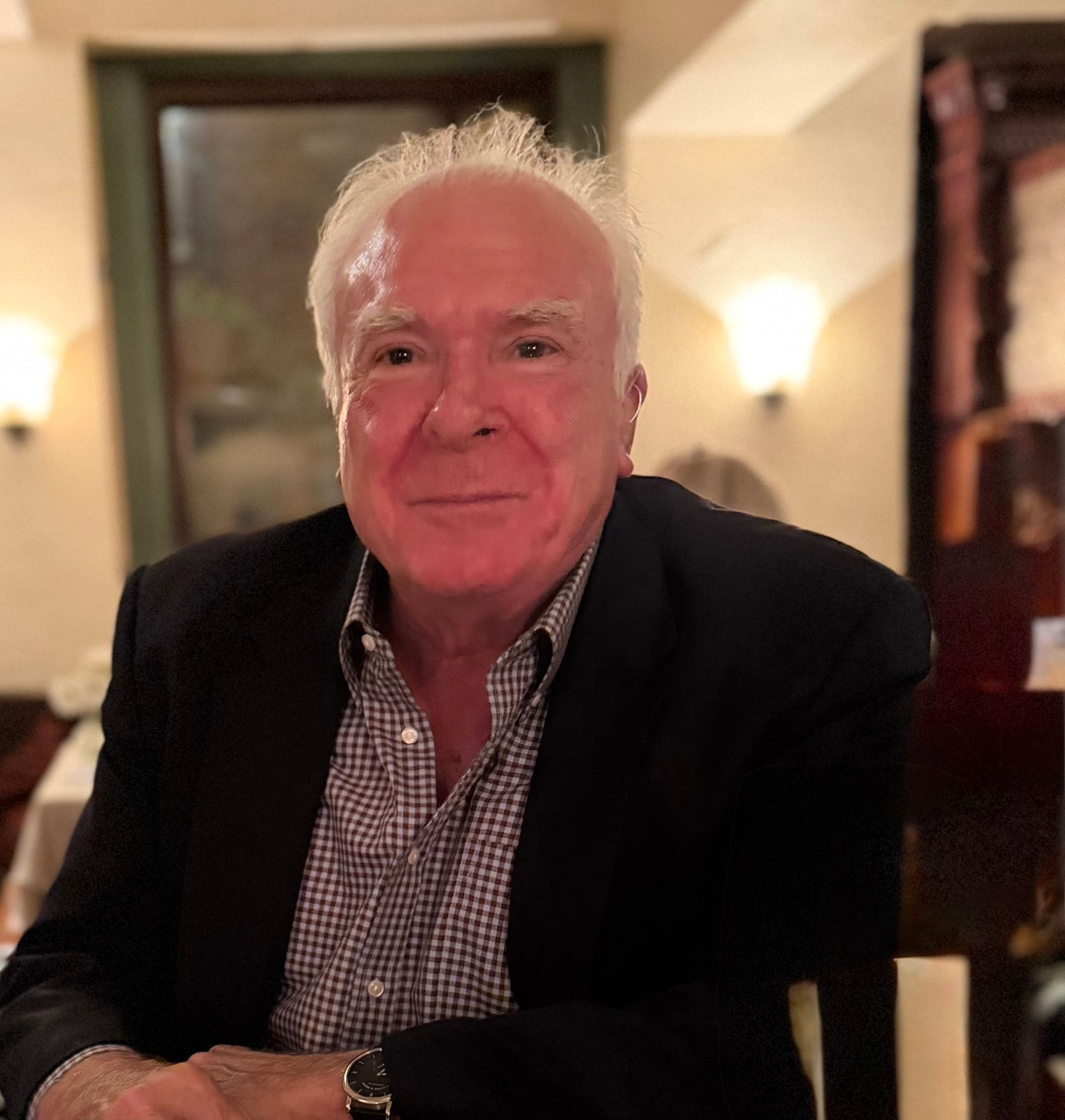
Glenn A. Blumhorst
Chief Advancement Officer
Peace Corps Commemorative Foundation
President and CEO, National Peace Corps Association (2013-22)
Returned Peace Corps Volunteer, Guatemala (1988-91)
GBlumhorst@PeaceCorpsCommemorative.org
Design spotlight: Creating space
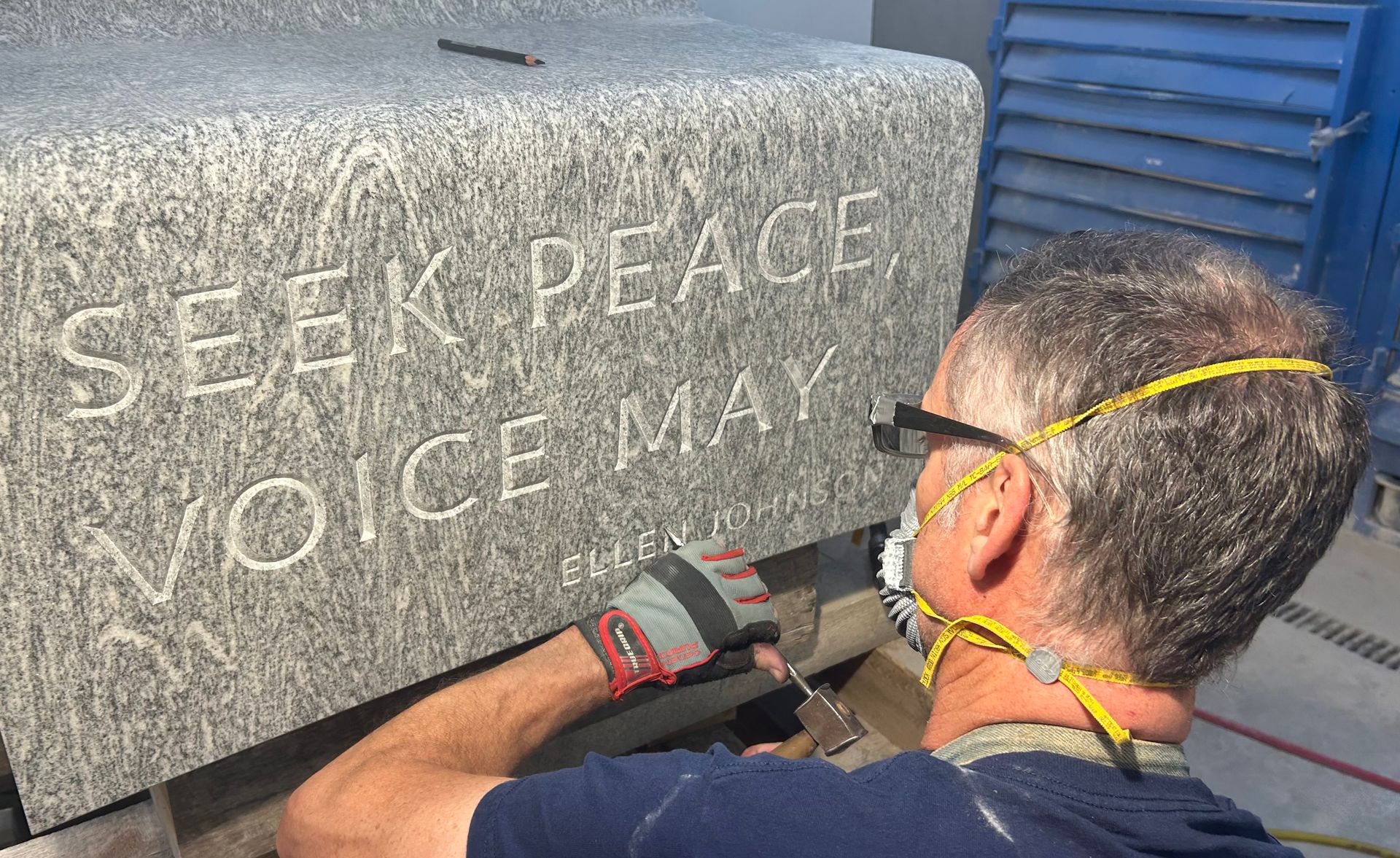
In previous design spotlights, we’ve shared the thinking behind a number of our design team’s creative solutions to both artistic challenges (depicting a world map without borders, carving water out of stone) and practical ones (deterring skateboarders, ensuring accessibility), but we haven’t talked about the main constraint in the design of Peace Corps Park: Its compact size.
“For this site, the biggest challenge is that it’s a postage stamp,” said Doug Hays, who with Michael Vergason has partnered with lead designer Larry Kirkland and Associates on the landscape design for Peace Corps Park.
The team has long been aware of the constraint they would all face with the size of the site – Vergason helped evaluate the proposed National Park Service sites after the Foundation secured congressional approval for the Park in 2014 – and was ready for the challenge.
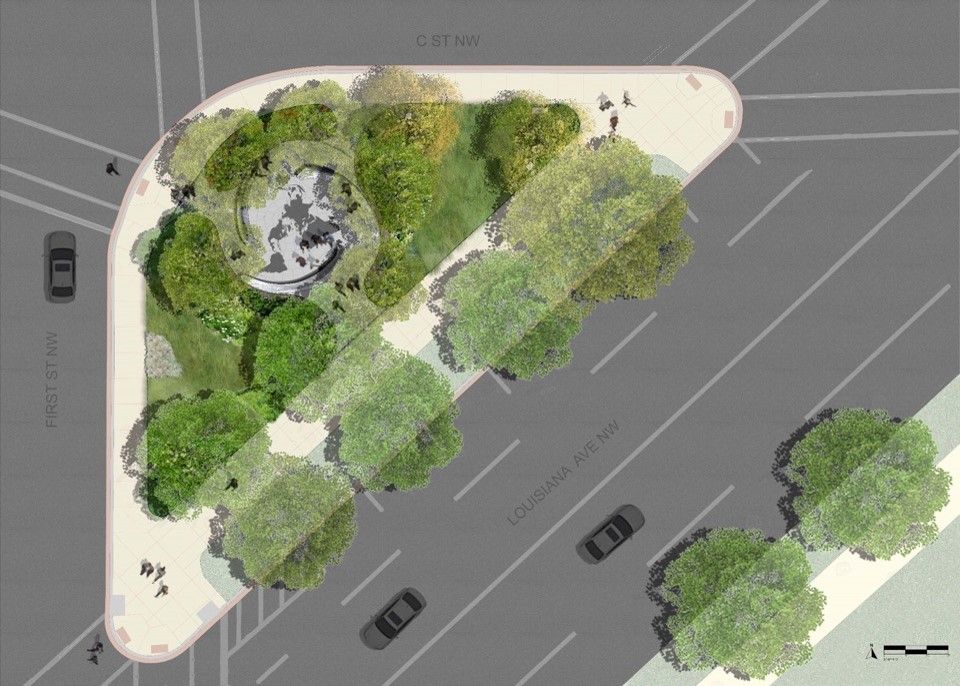
When it came to figuring out how to make a small space feel big, Vergason started where his design process usually does, with the history and broader context of the site. Before Frederick Law Olmsted brought a symmetrical design with a right-angled perimeter to the Capitol Grounds in 1874, the Peace Corps Park site made up the corner of the Capitol Grounds (see the red dotted line delineating the historical boundary on the image above).
So even though it’s a small parcel of land surrounded by traffic on all sides, it’s actually part of a large and mostly green space.
“We are trying to enlarge this site by borrowing from the larger context of the Capitol Grounds,” Vergason said. It’s a vision that aligns conceptually with what he identifies as the location’s greatest asset, its direct line of sight to the Capitol dome less than a half-mile away.
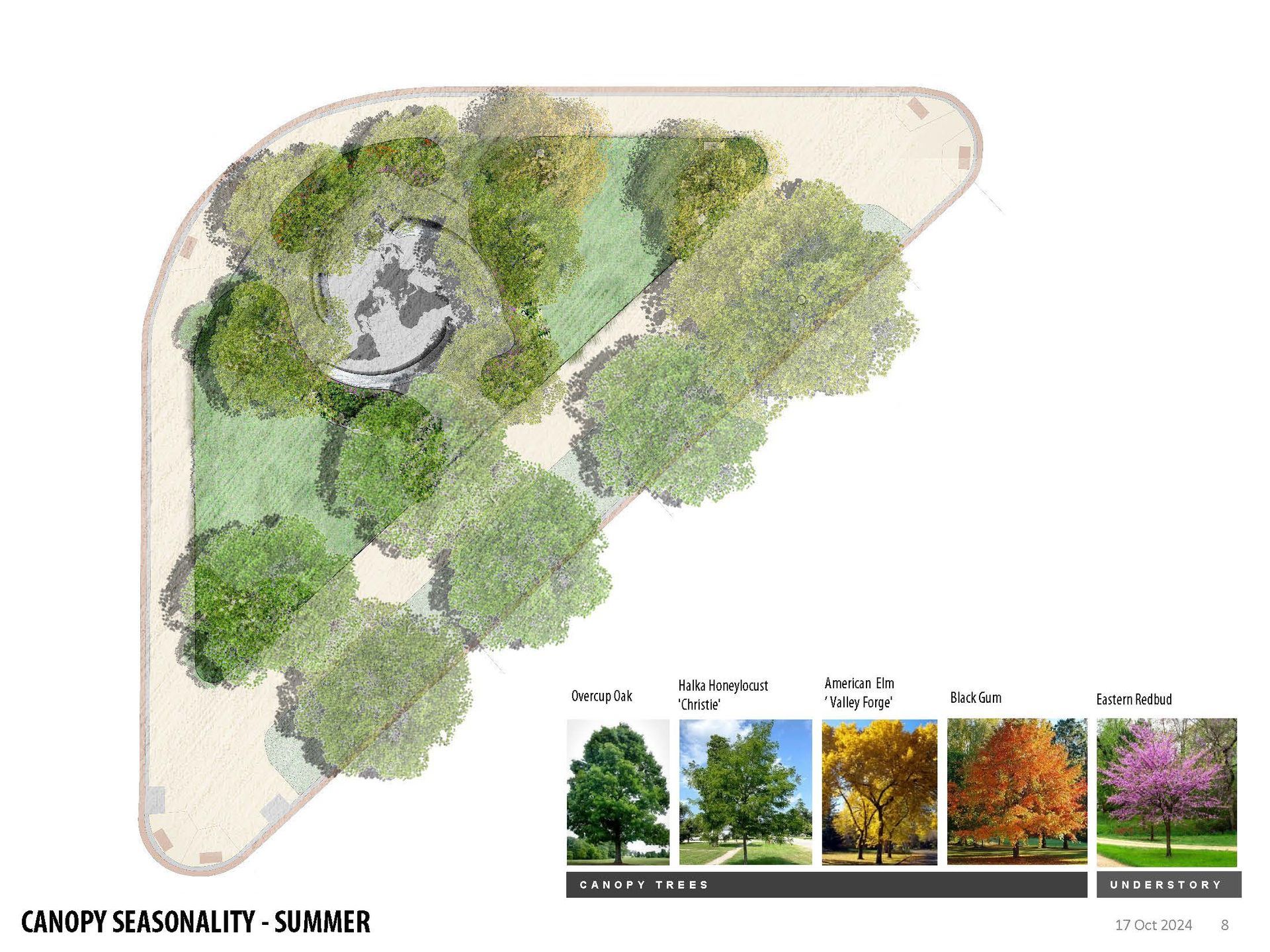
He and Hays chose to focus on the selection of canopy trees as the Park’s primary connection to the Grounds, which have
several dozen different species providing shade. The trees planned for Peace Corps Park are all native species and include the “Valley Forge” American Elm, a variant of one of Olmsted’s original selections, and the Overcup Oak, which echoes the various species of Oak tree in Olmsted’s design. Honeylocust, Easter Redbud and Black Gum round out the canopy palette.
With a green space design that is both specific to Peace Corps Park and closely tied to the iconic grounds located across Louisiana Ave., the site will be even more connected to the National Mall and will enshrine its place as part of the family of significant memorials that define the Monumental Core in our nation’s capital.
It’s a direct manifestation of the mission of Peace Corps Park, to elevate the American values represented by Peace Corps service as an essential part of our national character, and another example of how all Park elements come together to create a lasting tribute to inspire future generations.
Women’s history is Peace Corps history
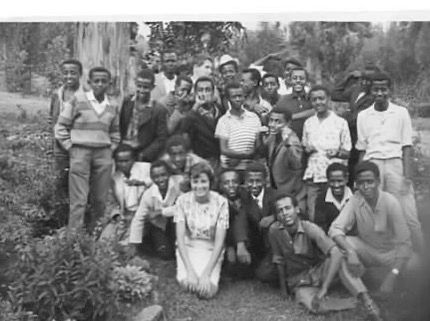
Women have been an integral part of the Peace Corps for as long as the agency has existed. From even earlier, actually, when Judy Guskin helped mobilize college students around the country to show that young people would indeed answer the call to serve. Judy reflected on her role in the early Peace Corps in an advocacy message for Peace Corps Park and the response from everyone in our community proved emphatically how strong her voice remains.
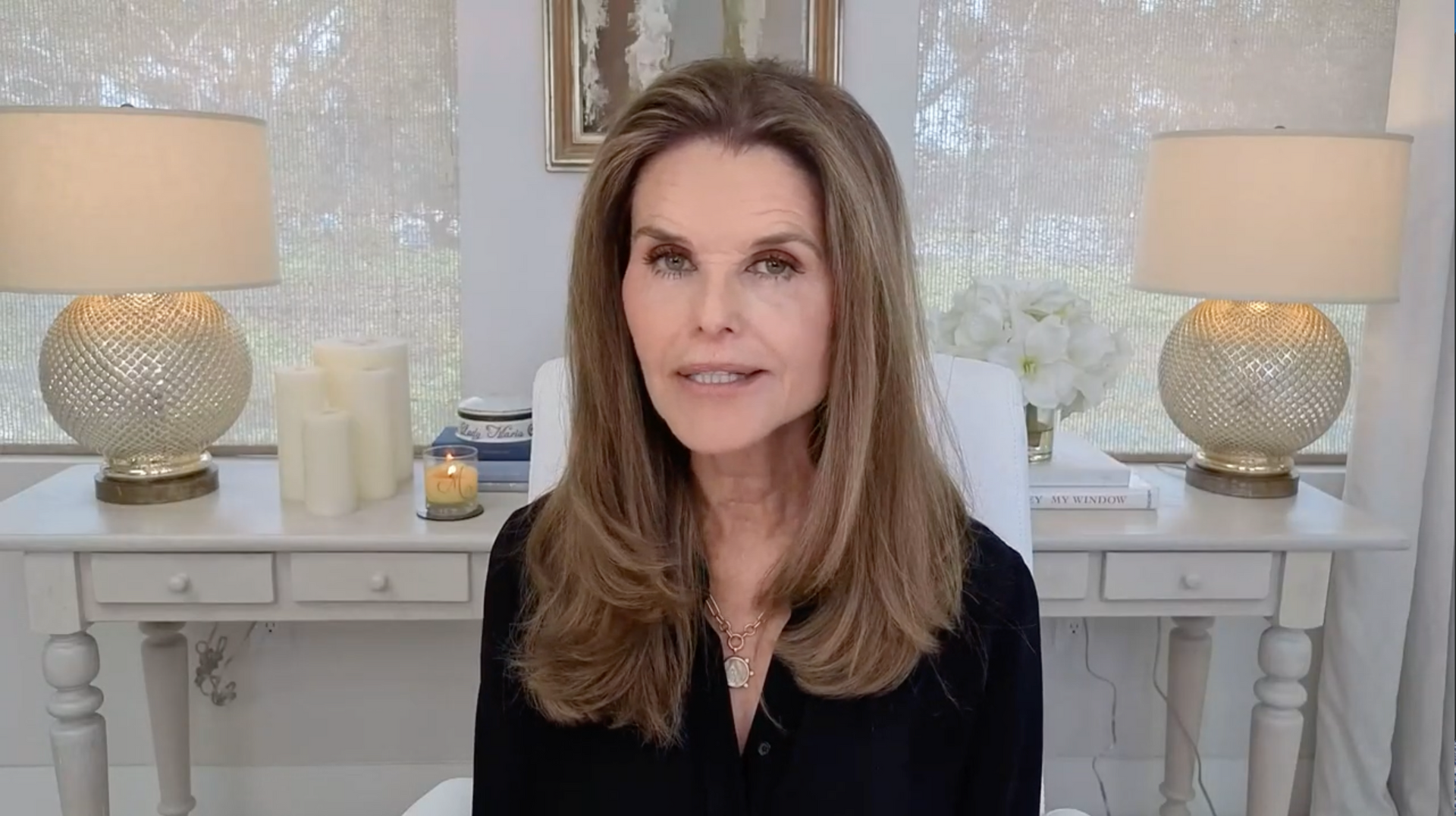
The Foundation is also lucky to have on our Boards of Directors and Advisors many inspiring women leaders, including former Congresswoman Donna Shalala, writer and advocate Maria Shriver and the three most recent directors of the Peace Corps to be confirmed by Congress: Carol Spahn, Carrie Hessler-Radelet and Jody Olsen, who chairs our Advisory Board.
Just as women leaders have shaped the Peace Corps’s history, these leaders are ensuring its future by dedicating a piece of their time and passion to the effort to build Peace Corps Park.
Community voices lend their advocacy
Over the past few years, we at the Foundation have been delighted to share with you diverse messages of support from notable figures in the Peace Corps community. Those advocates have included political leaders like Sam Farr and Joe Kennedy III; media personalities like Maureen Orth and Bob Vila, and unique voices speaking to the lasting impact of service like Matt Essieh and Elizabeth Cobbs.
But we’d like to make space for all supporters who want to lend their voice to the campaign, with a new section of the Advocates page on our website. We were inspired by a message of support we received from Dr. Justin Bibee (Morocco, 2014-16), whose service and passion for our shared mission to build Peace Corps Park resonated strongly.
"My time in Morocco shaped everything that came afterward… Today, whether I am working with refugees, advocating for human dignity, or founding institutions dedicated to celebrating the world’s cultures, I carry with me the lessons I learned as a volunteer: listen carefully, work collaboratively, and respect the wisdom of the communities you serve.
"A permanent place honoring that tradition in our nation’s capital reminds future generations that service matters, that global understanding matters, and that ordinary individuals can contribute to extraordinary change."
Read Justin’s full message here, and reply to this email or use the Contact Us form on our website to share your own motivations for supporting the project!
PCCF welcomes Kevin Haggerty as Treasurer
A reminder at tax time
With April 15th right around the corner and tax filing on our minds, we remind all supporters (and potential supporters) that a donation to Peace Corps Park can help reduce your taxable income and thus even save you money on your taxes.
If you are 73 or older – the age at which you must start taking required minimum distributions from your IRA – a qualified charitable contribution from the IRA (allowed for taxpayers at least 70 ½ years old) can be used to fulfill that minimum distribution. That means that instead of taking the distribution in cash and having it taxed as income, it can be routed to a charity like the Peace Corps Foundation without being taxed.
Whether your tax filing is giving you sticker shock this year or not, a contribution from your IRA in 2026 is a win-win for next year's tax return that we hope you will consider if the situation applies to you. For details, visit the Ways to Give page on our website.
Fundraising Update
We gratefully acknowledge the following donors, who have made generous new contributions and/or pledges since
February 25, 2026:
See our digital donor wall showing all cumulative gifts to Peace Corps Park!
* New gift in addition to prior gift
$10,000 - $19,999
Anthony Lofaso*
Angene and Jack Wilson*
$1,000 - $4,999
Anne Baker
John E. Ellis, MD
Friends of Nigeria*
Diana MacArthur*
Jensy Patterson Richards*
William and Beverly Ricker*
Jerri Rush*
Steven Wolf*
Other gifts to $999
Robert Adamski
Terry Applegate*
David Atwood
Elinore Boeke*
Sherrie Borden*
Lisa Breslof
Mary K. Crangle
Malie Carolyn Gray*
Phyllis Holt
Lynn and Rosalie Smith Juhl
Lawrence Knowles*
Jennie Lane
James and Deborah Lawler
Sarah Levin*
Suzanne Marrks
Chelsea Mertz
Mark Miller
William Neale*
William Piatt*
Edward Porter
Frances J. Shapiro-Skrobe*
Dennis Skowromski
Steven Torcoletti
Tina and Bob Walker
Joe Zucchini*
PEACE CORPS PARK SUSTAINERS
(Donors making recurring monthly contributions of any size)
Anonymous
Sue Hoyt Aiken
Linda Barnett
Matthew Baysden
Rick Bird
Ellen Davis-Zapata
Elizabeth Downes
Greg Emerson
John Feighery
Elizabeth Ford
Luis Garzon-Negreiros
G. David Hicks
Elisabeth-Hinshaw Osgood
Peter Hofman
Ann Hopkins
Marcy Kelley
Laura Kettel Khan
Linda Kolko
Roni Lerner Love
Deborah Manget
Judy Marcouiller
Cynda McMahon
Marty Mueller
Nancy Nuechterlein
Richard Pyle
Shawn Reagan
Jessica Rogers
Deidre Schilling
Robert Smythe
John Sommerhauser
Peter J. Stubben
Mary Lou Weathers
Kathleen Williams-Ging
Charles Wolf
Gail Yates
Darrel Young
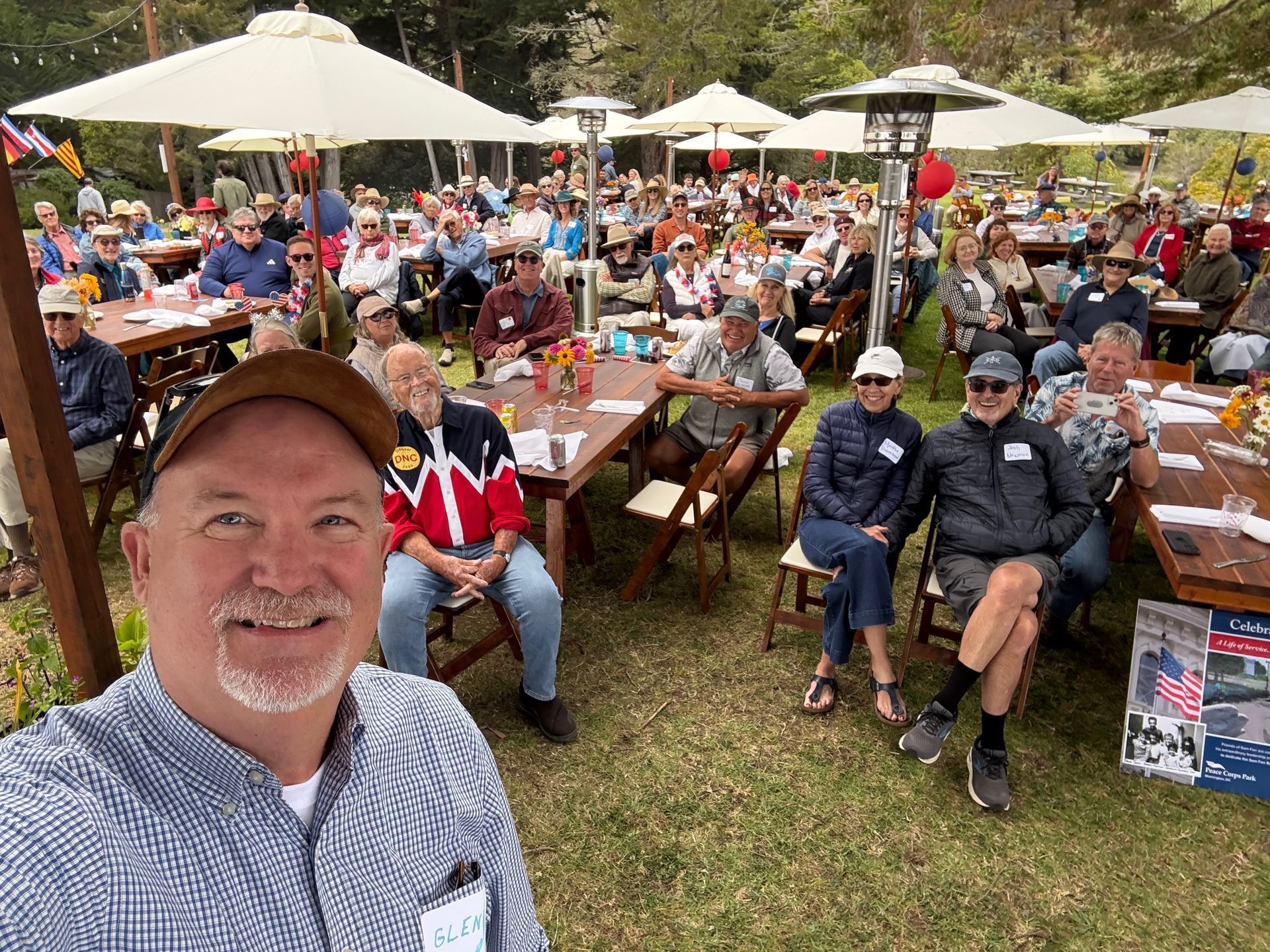
Where is Glenn?
If you or your group are interested in learning more about the construction planning phase of Peace Corps Park, Glenn regularly travels to meet with stakeholders across all 50 states. He is always happy to share the vision in person—and there’s a good chance he’s already planning to be in your area! Just reply to this email and let Glenn know if you’d like to arrange a meetup.
Up next:
April 9
Austin, Tx.
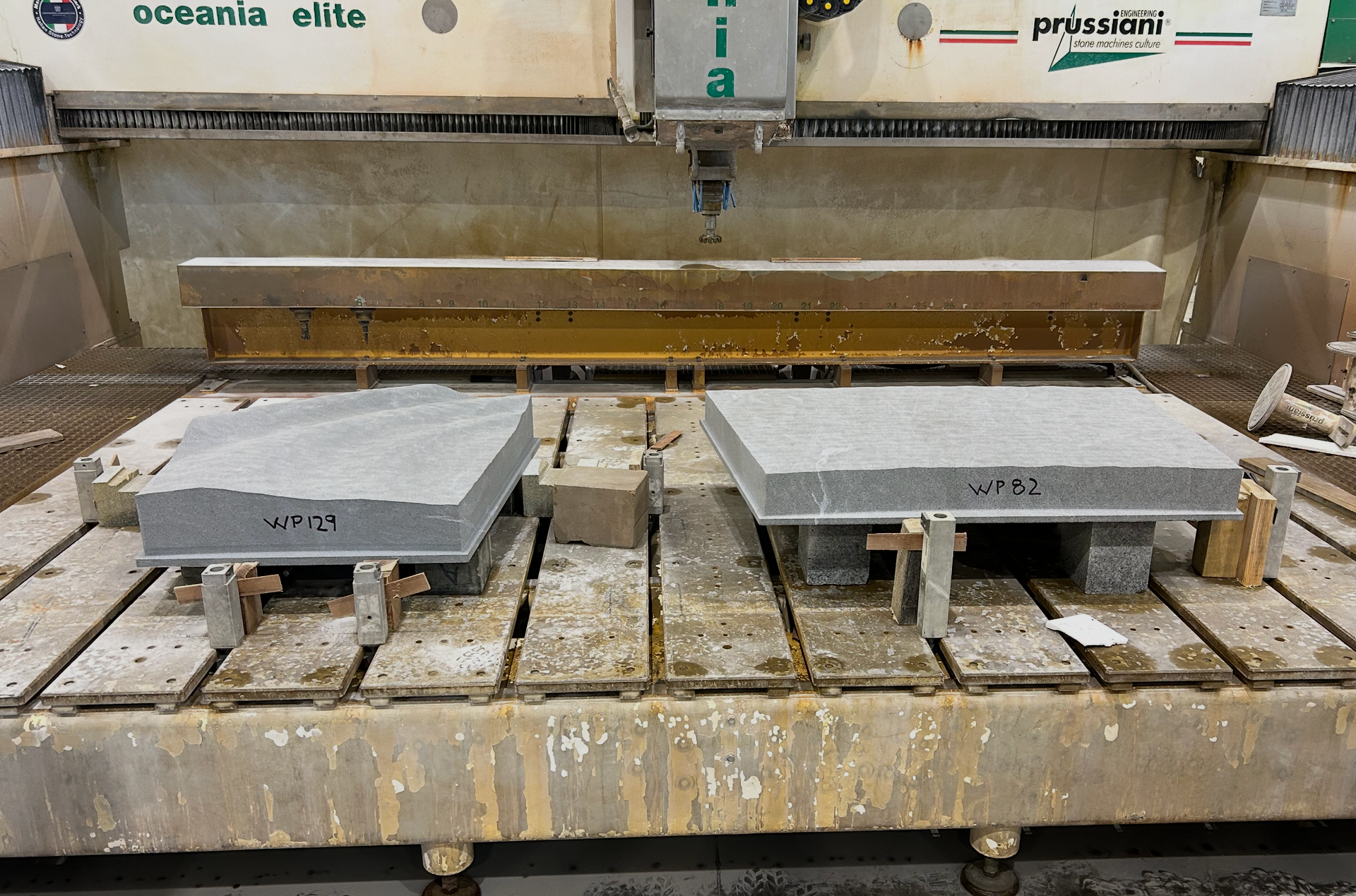
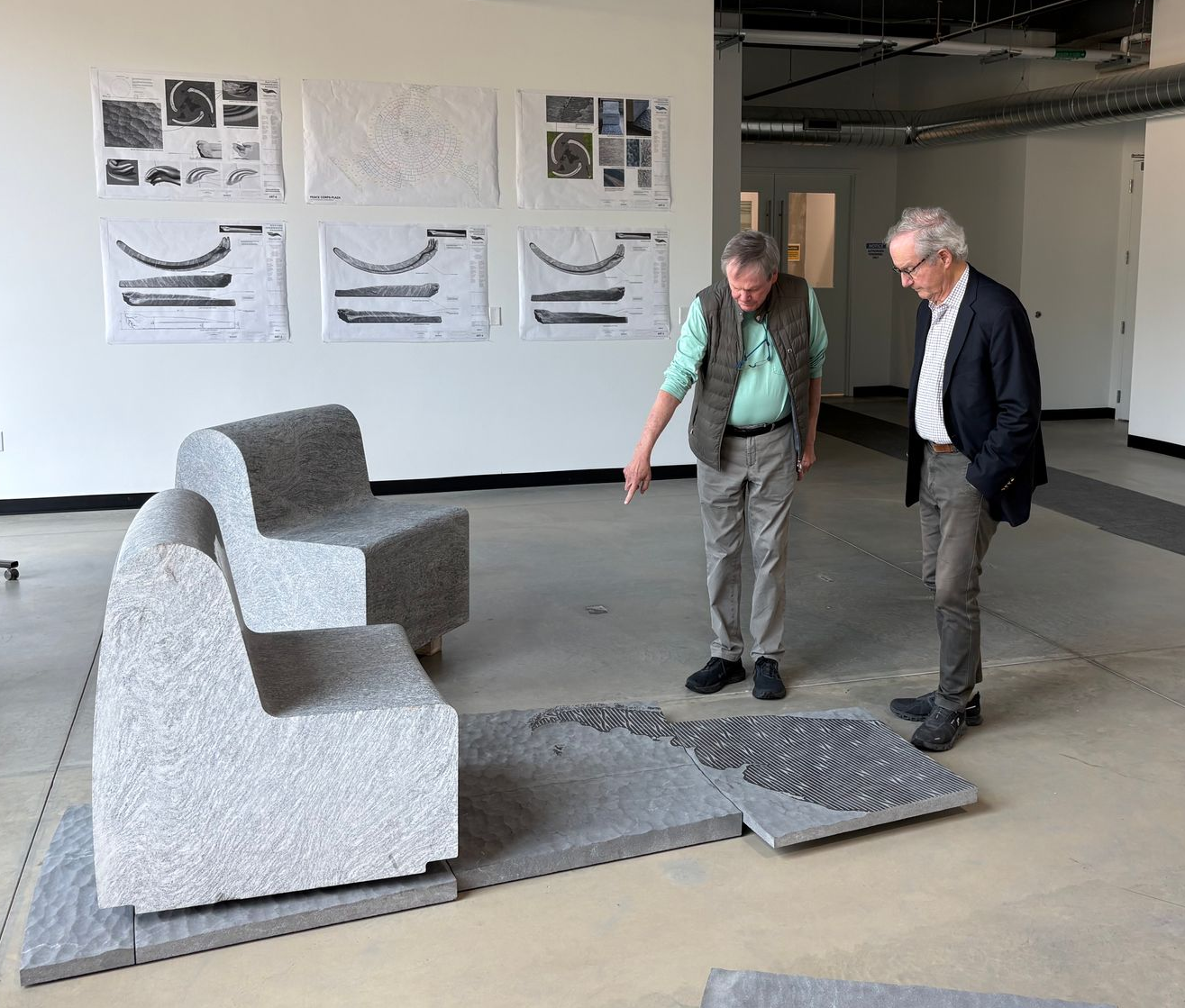
April 14-15 Madison, Wis. - Quarra Stone Company site visit
April 24 Washington, D.C. -
National Service Symposium
PeaceCorpsCommemorative.org
PEACE CORPS COMMEMORATIVE FOUNDATION
5636 Connecticut Avenue, NW Ste 42143
Washington, DC 20015
The Peace Corps Commemorative Foundation is the trade name of the Peace Corps Foundation,
a District of Columbia 501(c)(3) charitable organization.
EIN: 01-0554700